
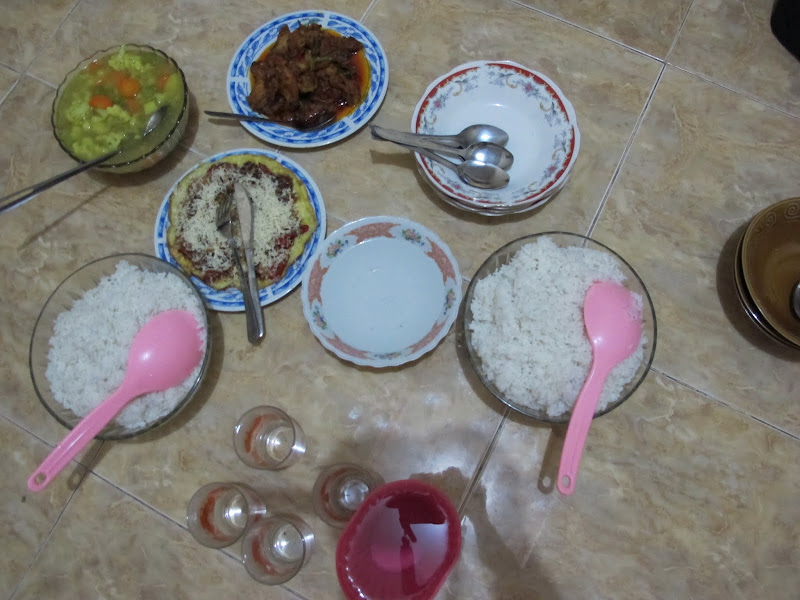
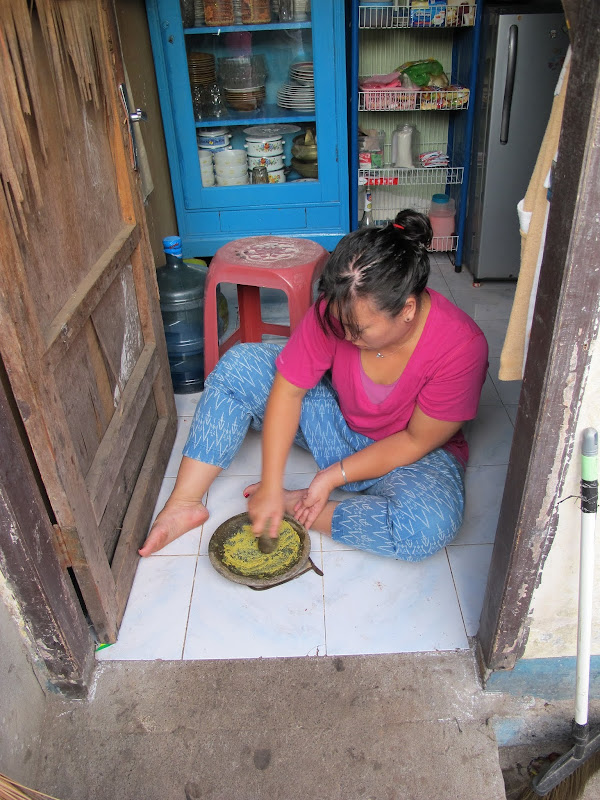
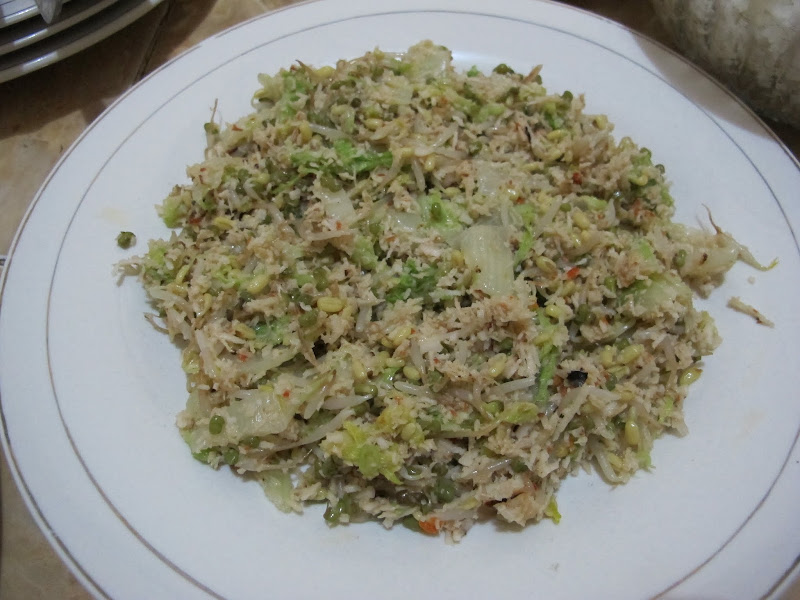
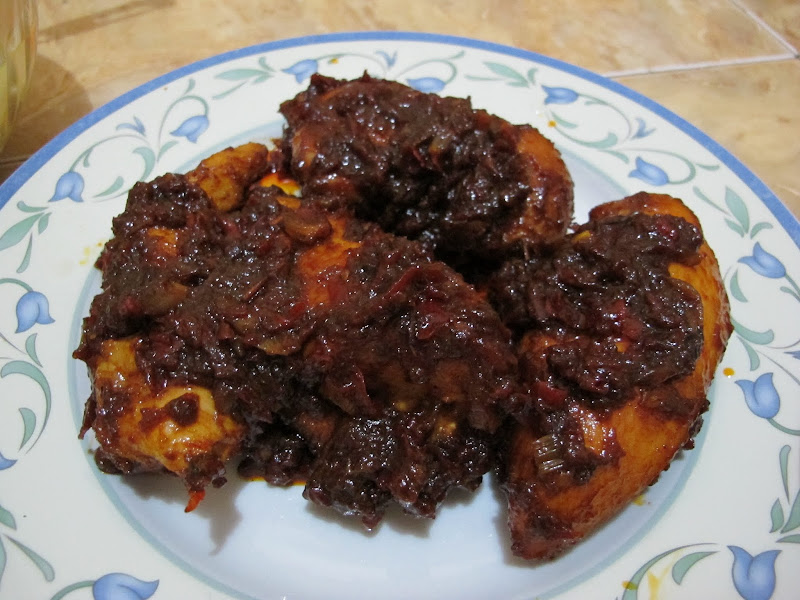
Preparing a stew made with vegetables harvested year-round in the surrounding forests. Stewing, grilling and boiling or steaming are common methods for preparing vegetables throughout mountain communities in Southeast Asia, reflecting simple culinary techniques developed in the absence of expensive inputs like cooking oil, soy or fish sauces more readily available in lowland communities. A simple stew highlights the astonishing flavours of whatever vegetables are seasonally available and incorporated: sweetness from fishtail palm heart; sour from tamarind leaves or local tomatoes; bitter from rattan shoots or snowflake tree flowers. Seasoning staples include chili peppers, salt, wild herbs, and fermented soy beans to add a savoury dimension.
I lived and worked for 5 years in community with people from ethnic minority communities in Chiang Mai province while setting up a centre producing open-pollinated seeds of culturally-significant plants for farmers seeking to be more self-reliant in their practices. These photographs represent the daily meals and hours of food preparation with colleagues thrust me into an astonishing food culture beyond typical Thai food. This rich food culture is a way for my colleagues to celebrate their cultural identity, using diverse, seasonal ingredients sourced from nearby forests and using methods reflecting dependence on the surrounding environment.
]]>Thanks to the co-owner of Tiara Homestay (located in Labuhan Pandan) for translating!
  |
 |
 |
 |
 |
 |
 |
 |
These are only a selection of meals and snacks I ate in my painfully short visit. Â But the diversity! Â Ah, I cannot wait to explore more in the future.
 |
 |
 |
 |
 |
 |
 |
 |
 |
 |
 |
 |
 |
 |
 |
 |
 |
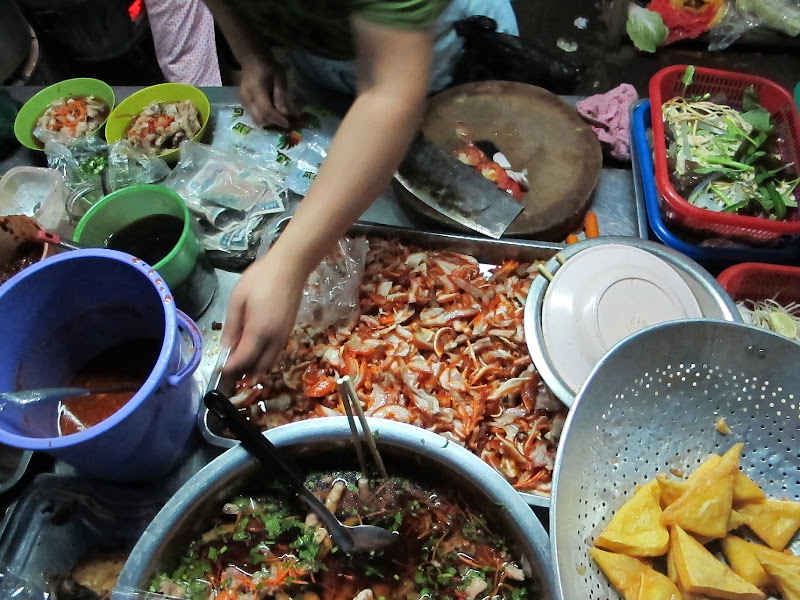 |
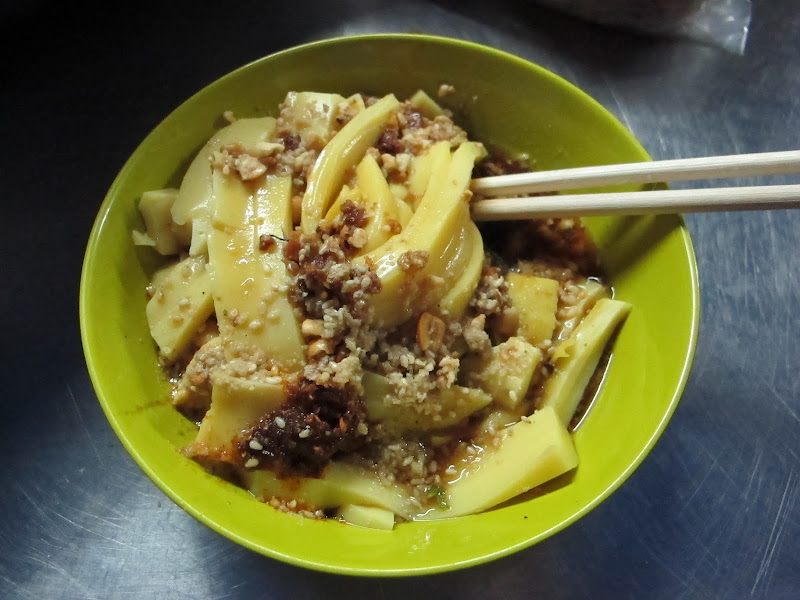

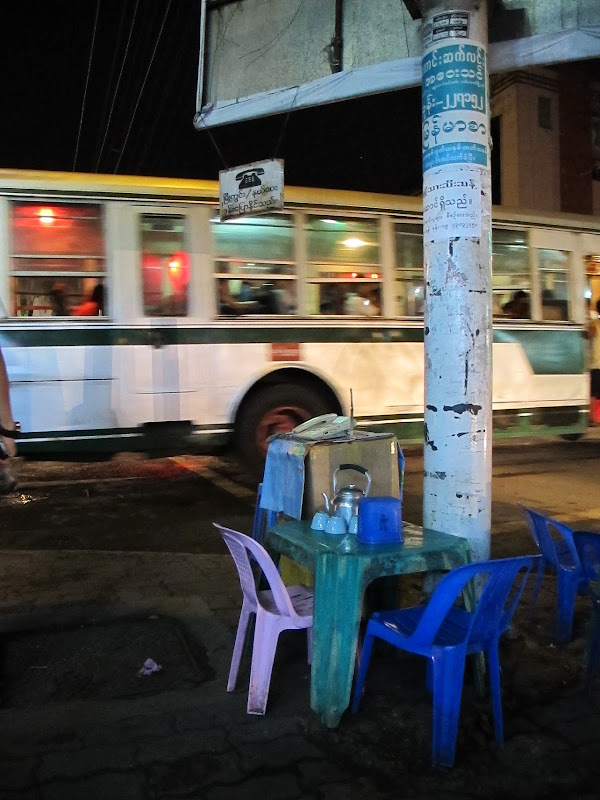
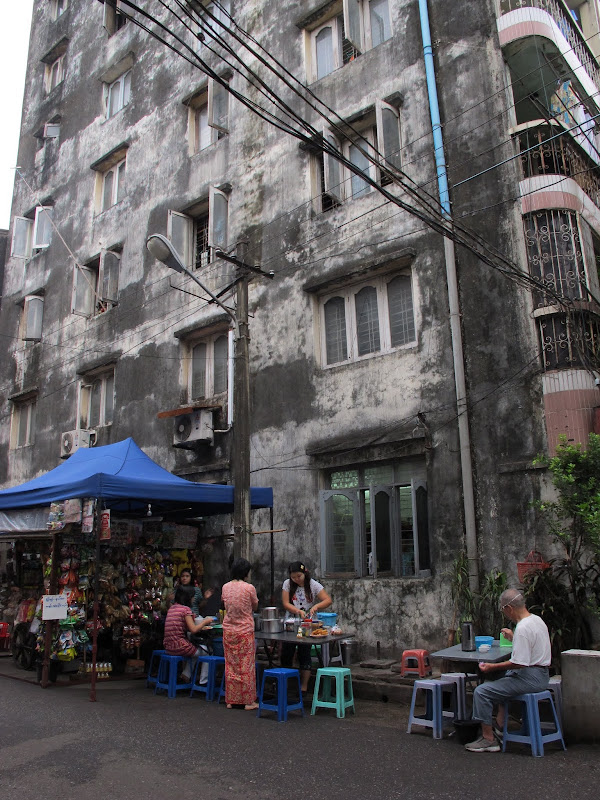
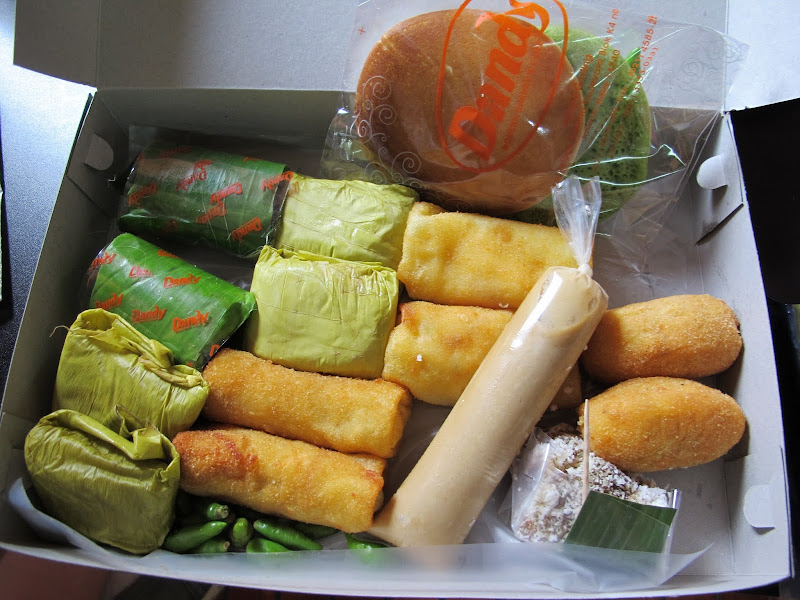
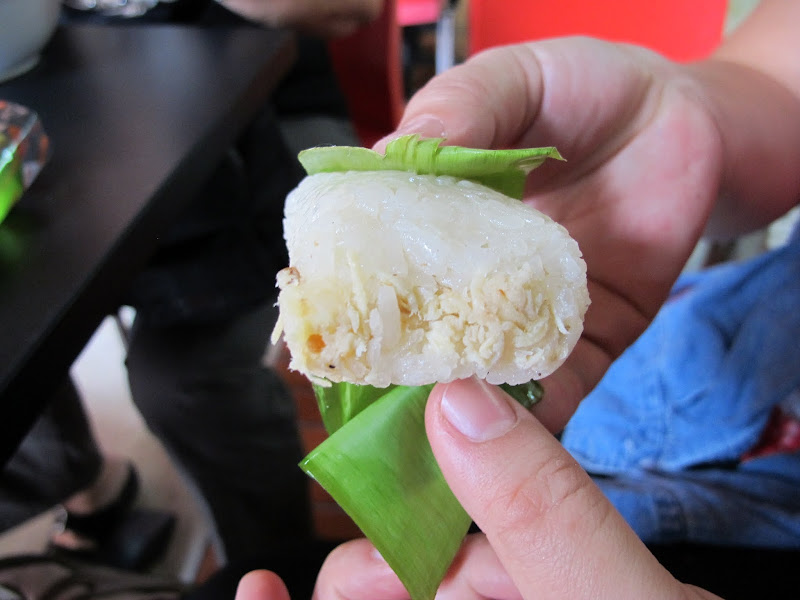
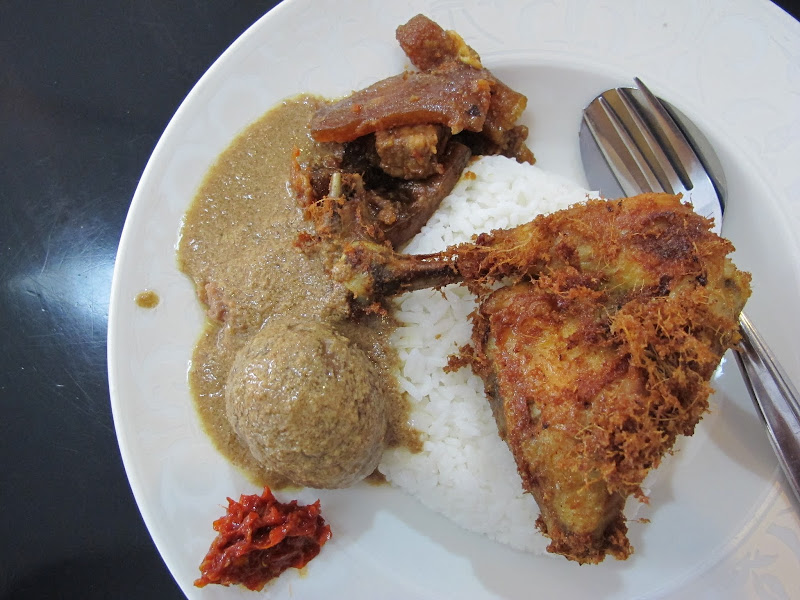
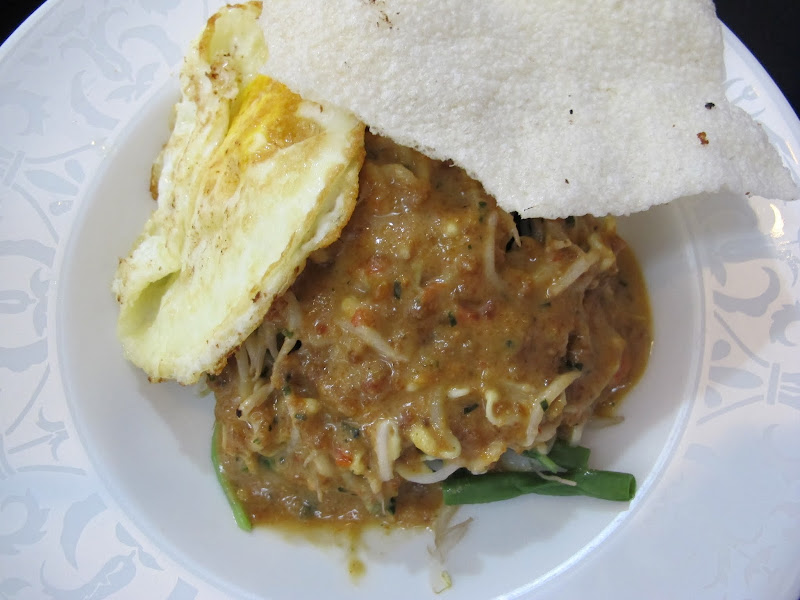
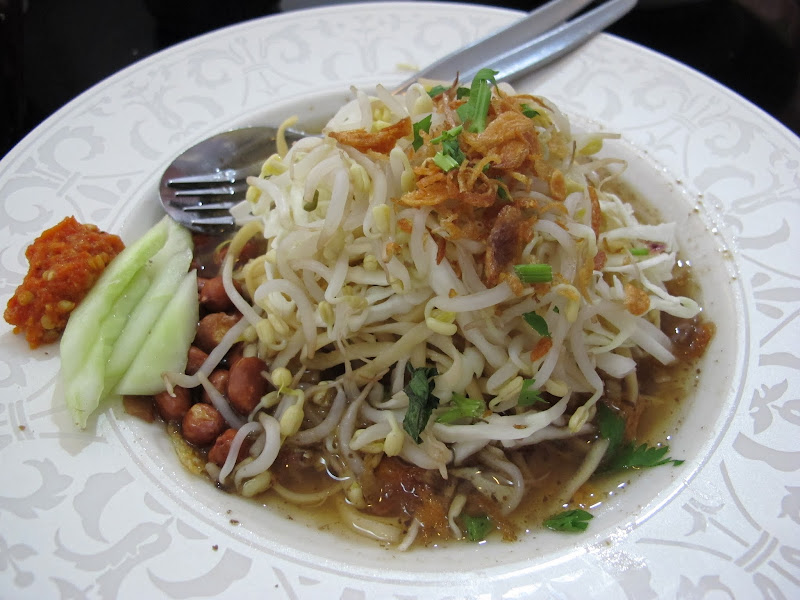
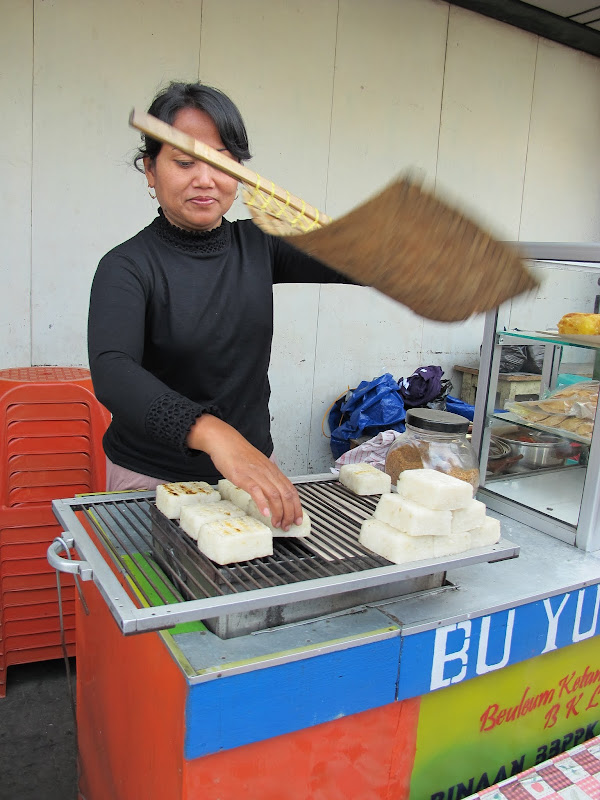
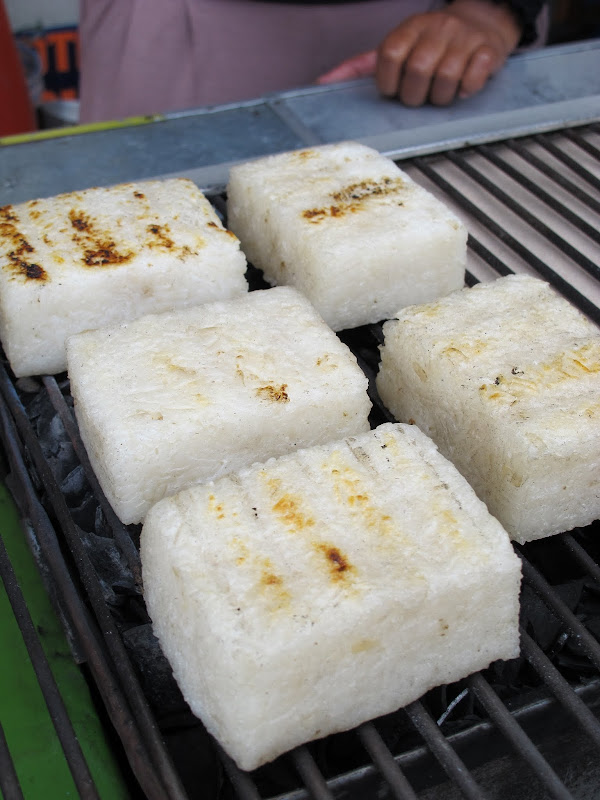
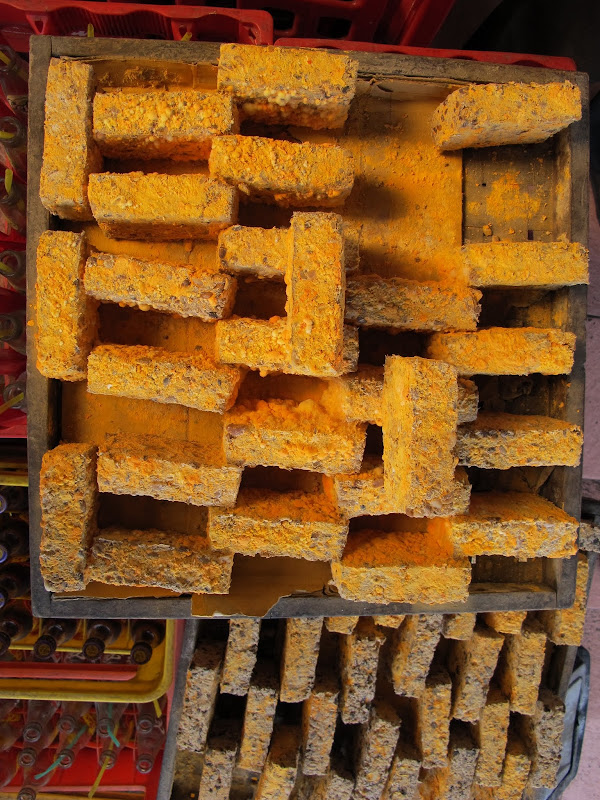
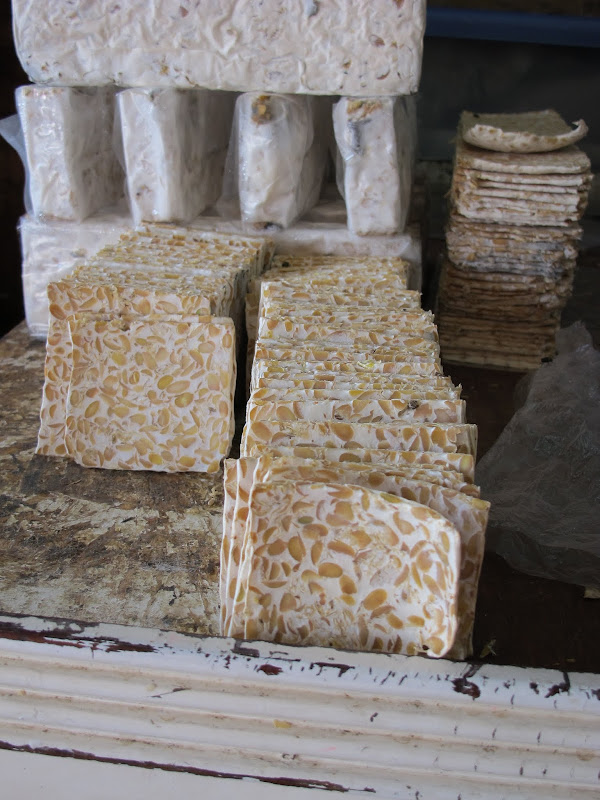
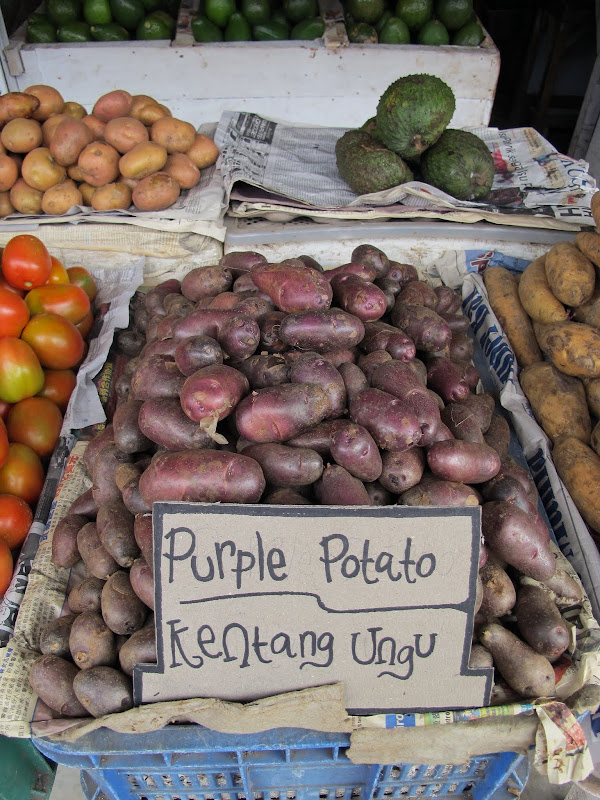
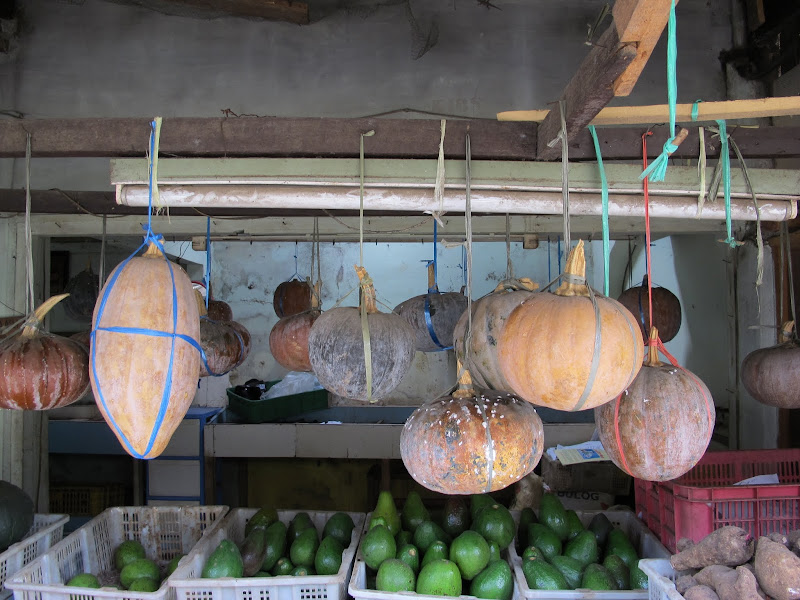
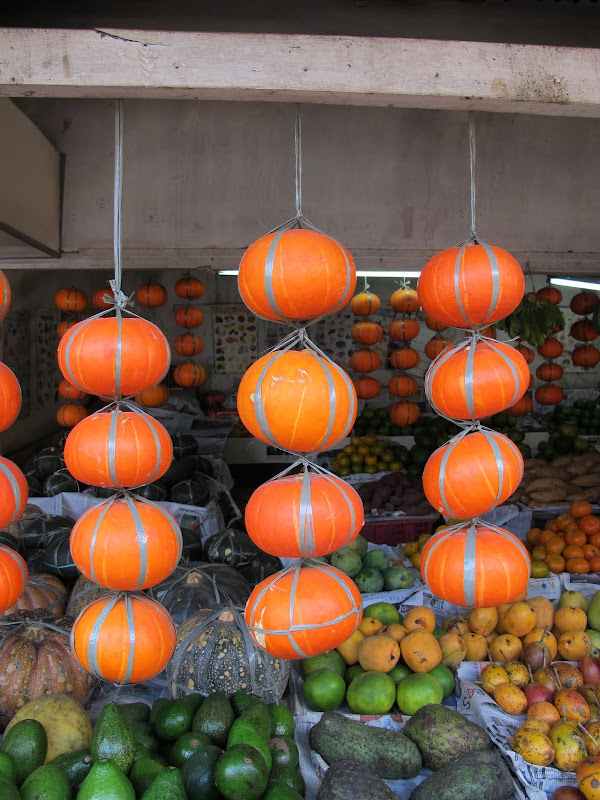
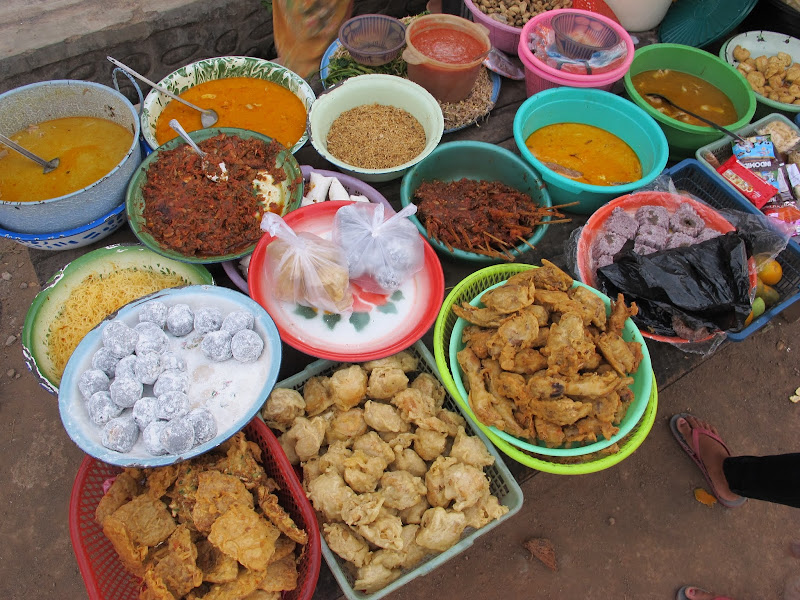
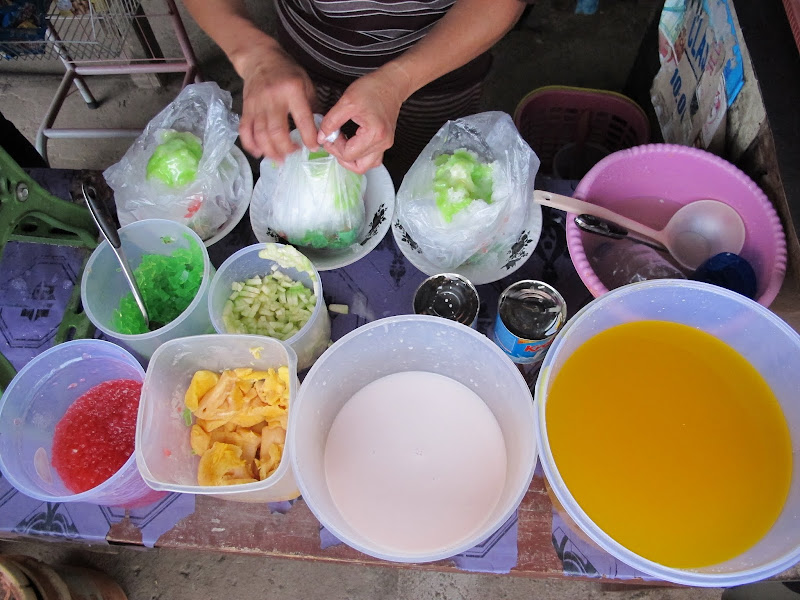
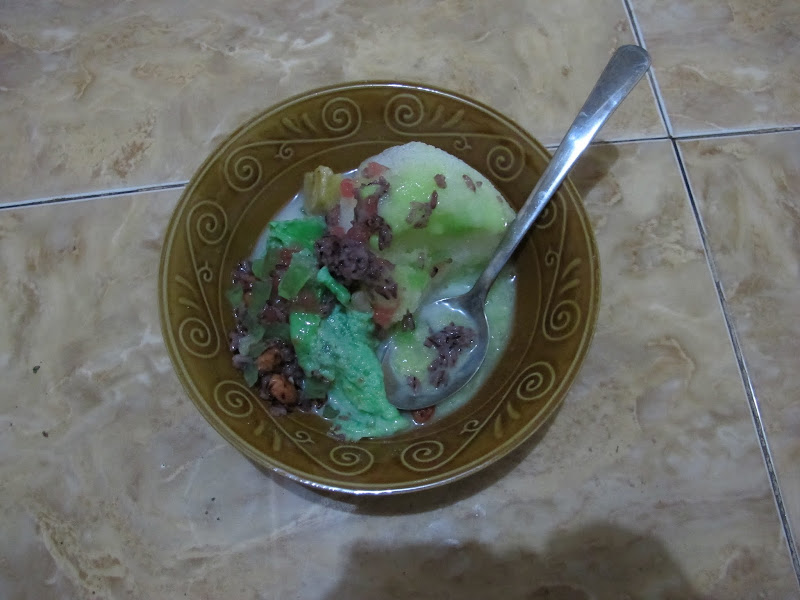
I’ve travelled to Indonesia since I was 11 months old, thanks to 98% of my family still living in Jakarta and Bandung and am fortunate to have enjoyed the plethora of foods available from street stalls to catered family gatherings. Â Here are some meals I remembered to photograph (oh so many plates were devoured without being snapped) during my August trip for a family reunion.
 |
 |
 |
 |
 |
 |
 |
 |
 |
 |
 |
 |
 |
 |
 |
 |
 |
 |




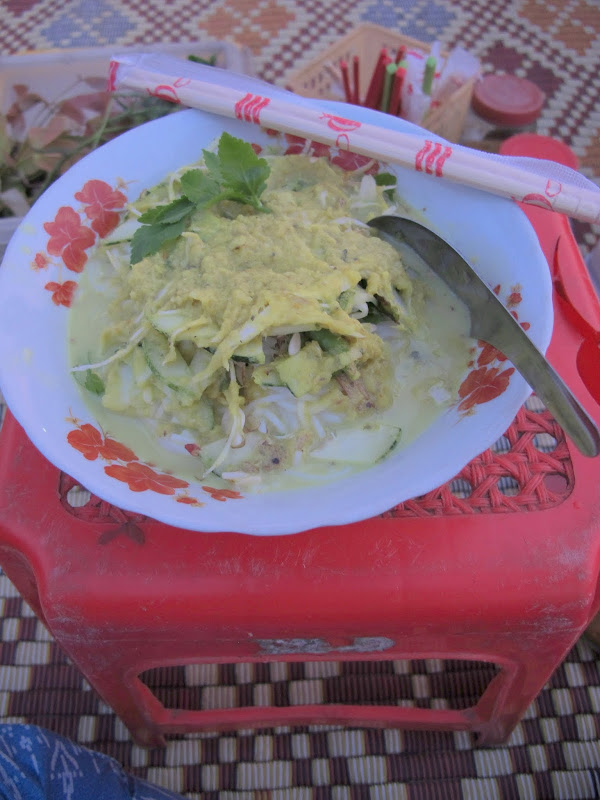
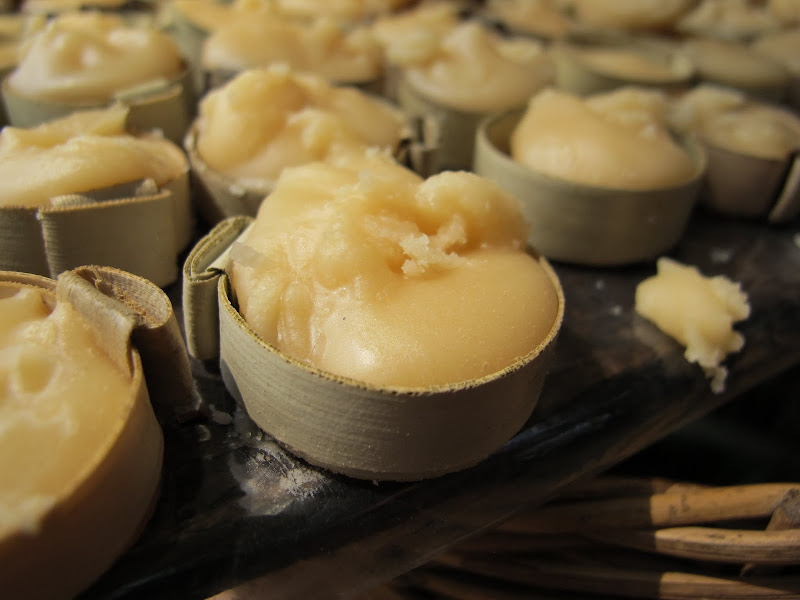
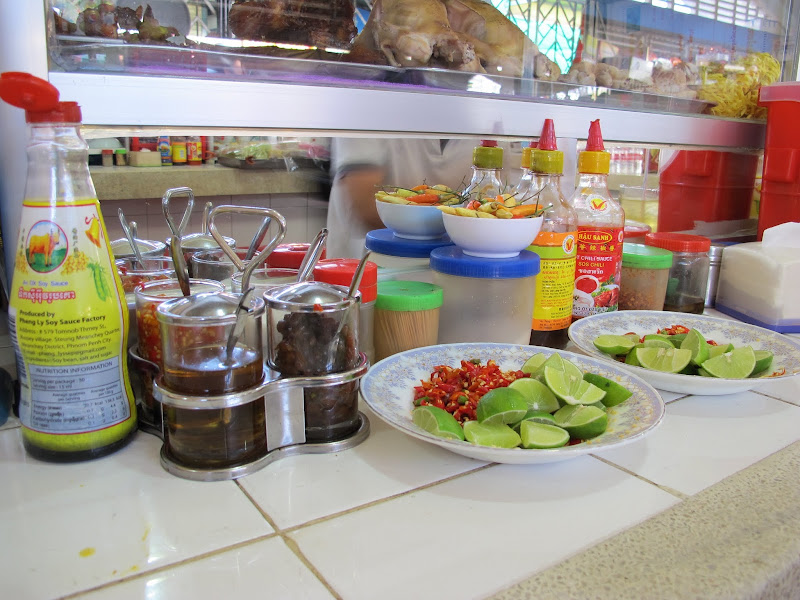
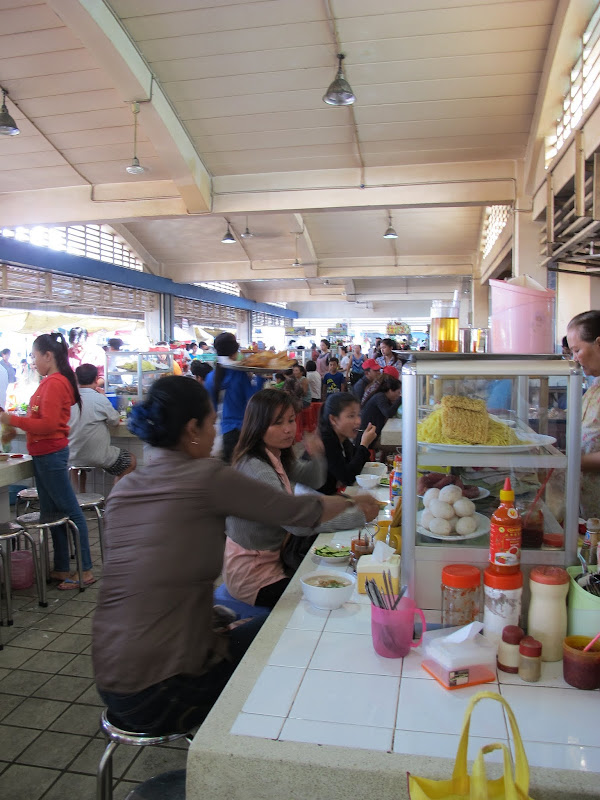
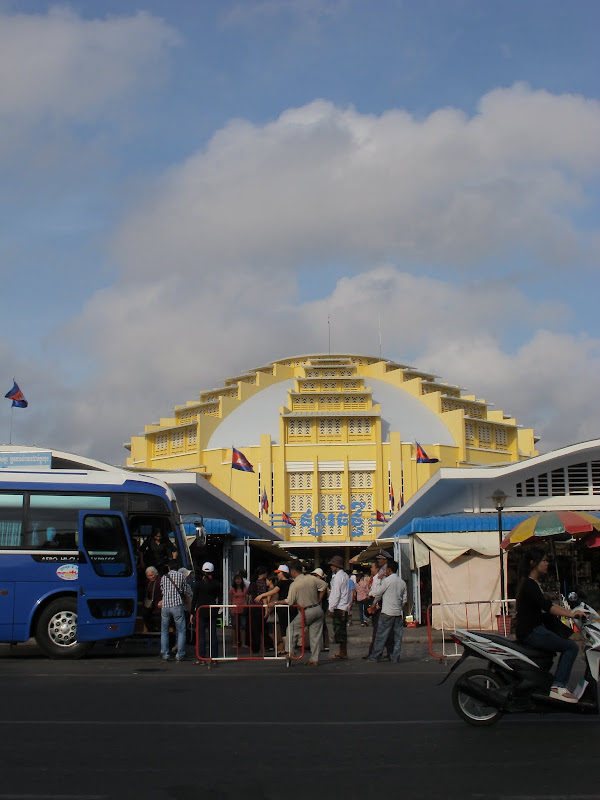
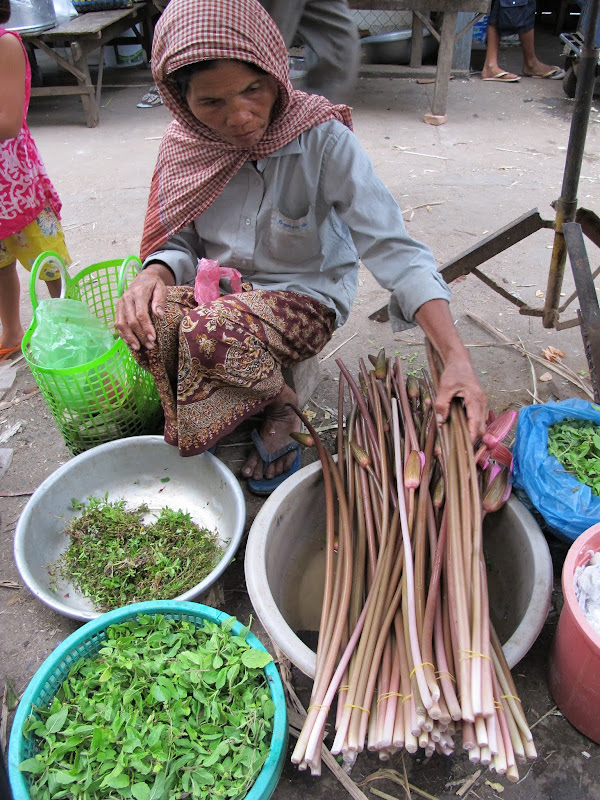
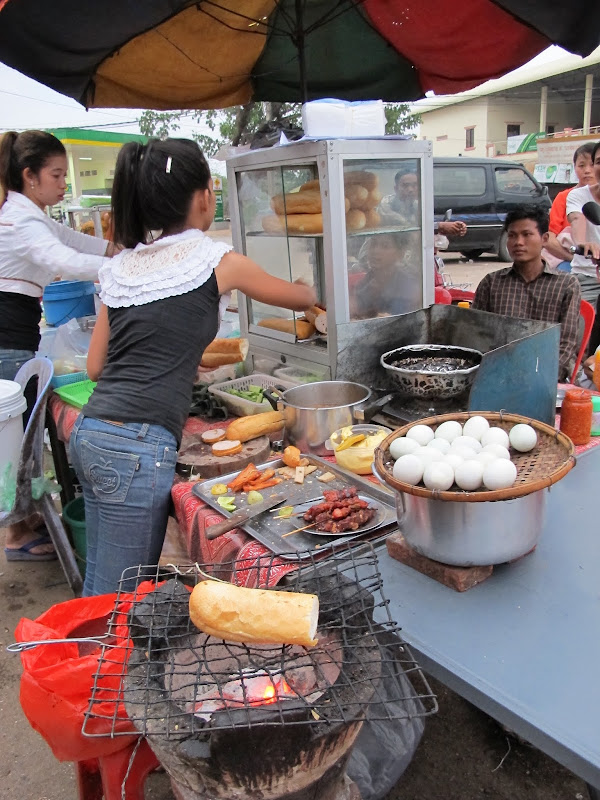
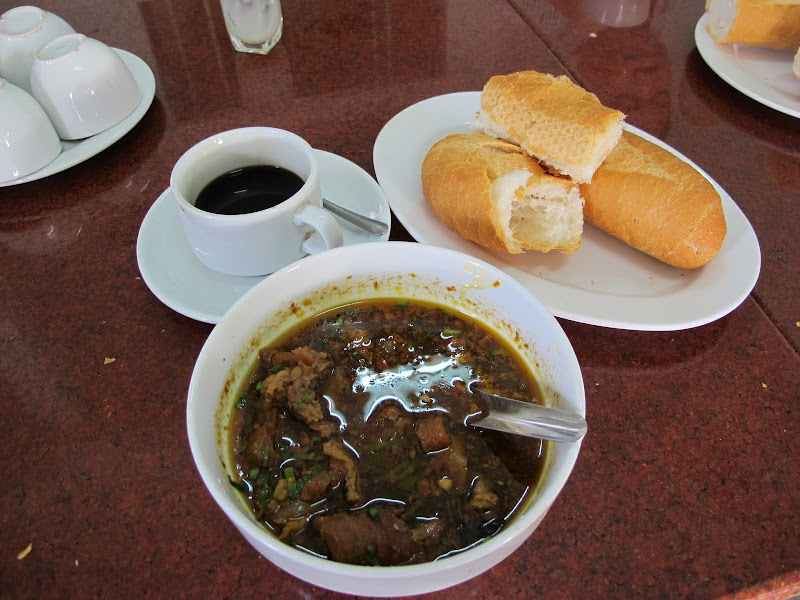
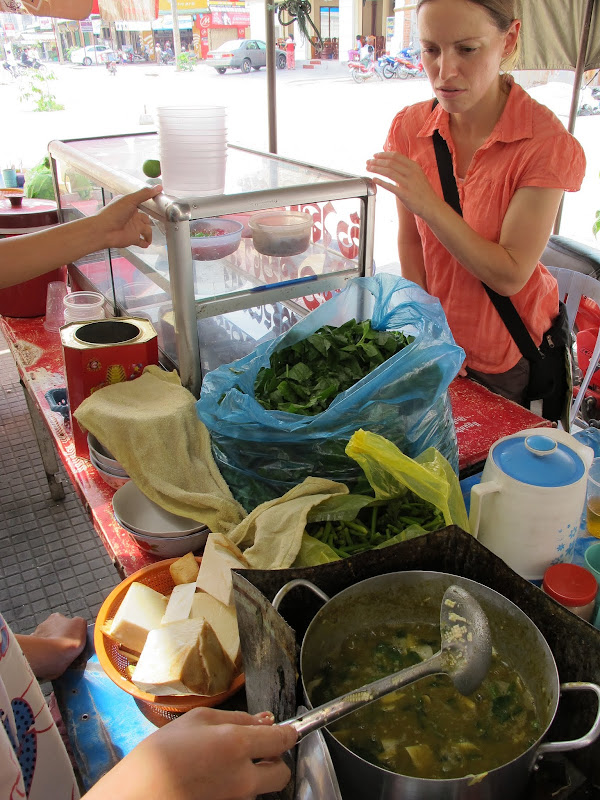
I spent two weeks in Cambodia in February, sale
the first week working behind the scenes of an agriculture training workshop held outside of Phnom Penh and the second week travelling to Battambang and Siem Reap for a bit of work and much pleasure!
I went into full-on tourist mode, eczema
snapping pics of the food I ate. Â Enjoy!
 |
 |
 |
 |
 |
 |
 |
 |
 |
 |
 |
 |
 |
 |
 |
 |
 |
 |

Read more about their story here, in Robyn and Dave’s article on ZesterDaily. Â Read more about Mae Tha on Fair Earth Farm’s site.
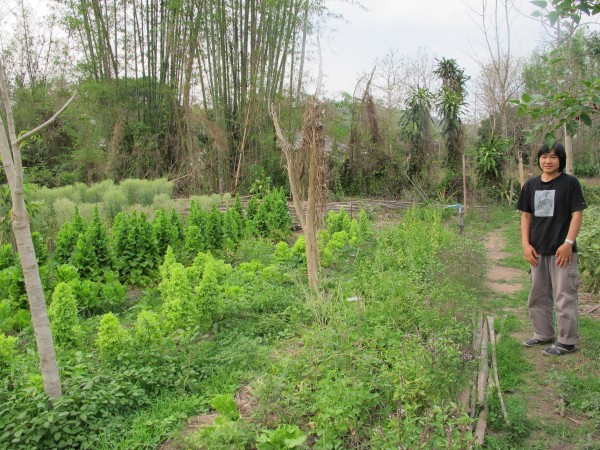
Bui runs the year-old seed production operation - she's also former classmates with our co-worker Lue 

Lettuce, eggplant and tomato seeds being cleaned and sorted

Aun is the CSA's spokesperson (unfortunately only his back is shown here!); in front of the organic vegetable plots he manages at his family's farm

Mae Tha Sustainable Cooperative

Organic baby carrots ready to be shipped to Chiang Mai
]]>
We concluded the last day of our seed saving training in Yangon on Friday. Â Covering topics of how to store seeds, more about the importance of germination, check and information management, we continued discussions with MBC staff and farmers about linkages between seed saving and sustainable thinking. Â Kimberly shared findings from her year-long study of managing pests in stored seeds and I put on my plant biology hat to talk about seeds as living potential and various ways to test seed quality through germination and planting out in soil. Â Attendees continued to share their methods for saving and testing seeds with the group.
There is a hunger for practical, income-generating techniques here in Myanmar and we’re privileged to be working with MBC as they continue to promote sustainable approaches with their farmers.
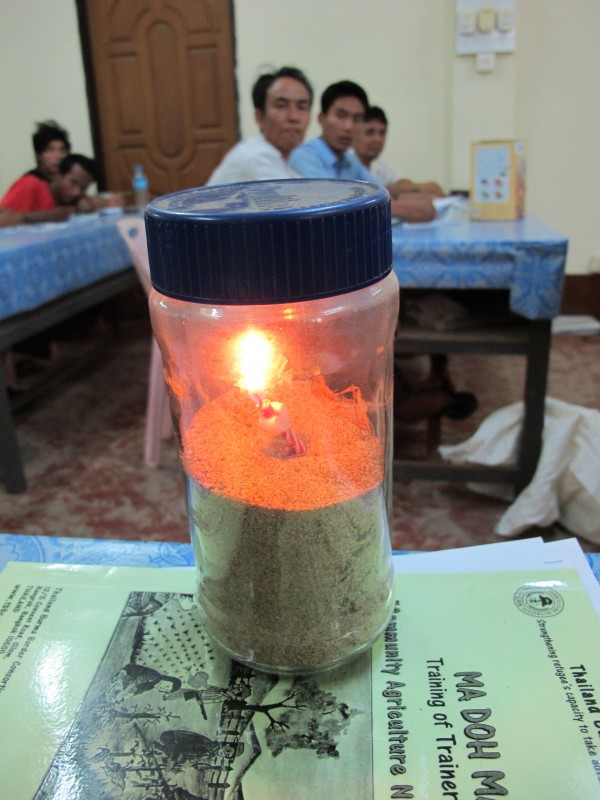
One of our attendees stores onion seeds by letting a candle extinguish inside a closed container to create a light vacuum.
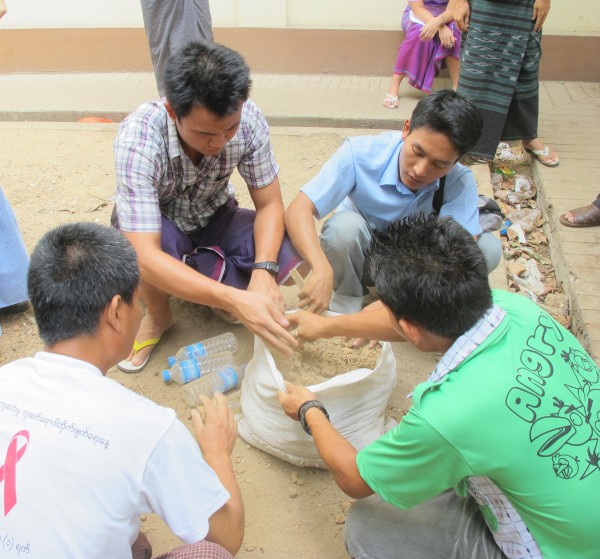
Demonstrating a sack garden, into which herbs and small vegetables can be planted
Today we had more lively discussions as workshop attendees talked about economic barriers to sustainable practices in their communities. Kim taught the difference between annual and perennial plants, phimosis the effects of day-length on growth and details of pollination.  In the afternoon, pestilence I led a discussion about cleaning and drying seeds before our whole group pitched in to clean seeds from local tomatoes, nurse pumpkin, ivy gourd and wax gourd.  So far, we’ve collected up to 15 varieties of seed to plant out at the seedbank, including  corn, bean, and pumpkin from Kayah State, and red sesbania from the Irrawaddy Delta area.

Taking notes during one of our many lively discussions
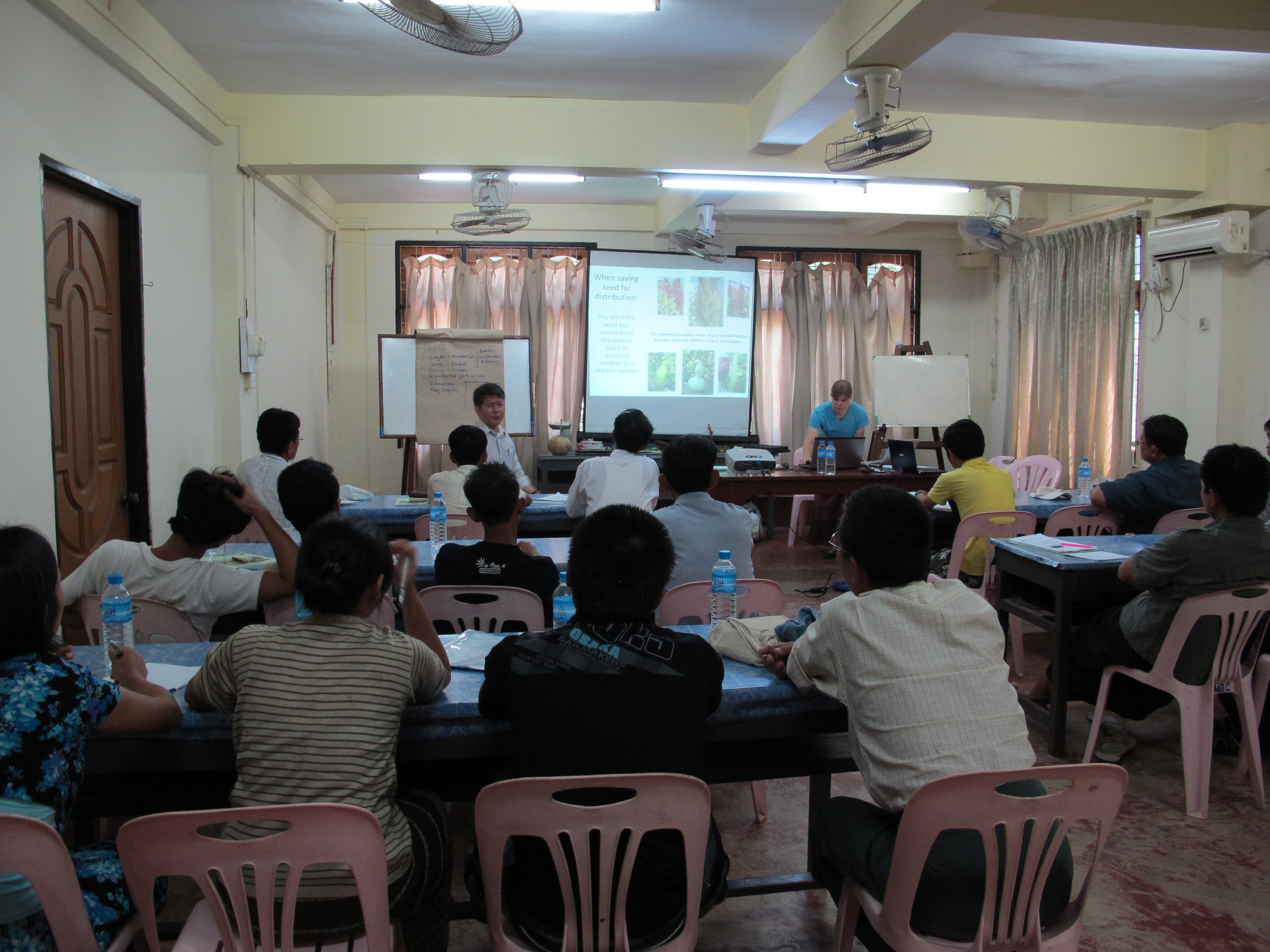
MBC staff spoke of lack of access to systematic information on sustainable farming practices, which hindered their ability to provide good resources to their communities whose livelihoods are dependent on farming.
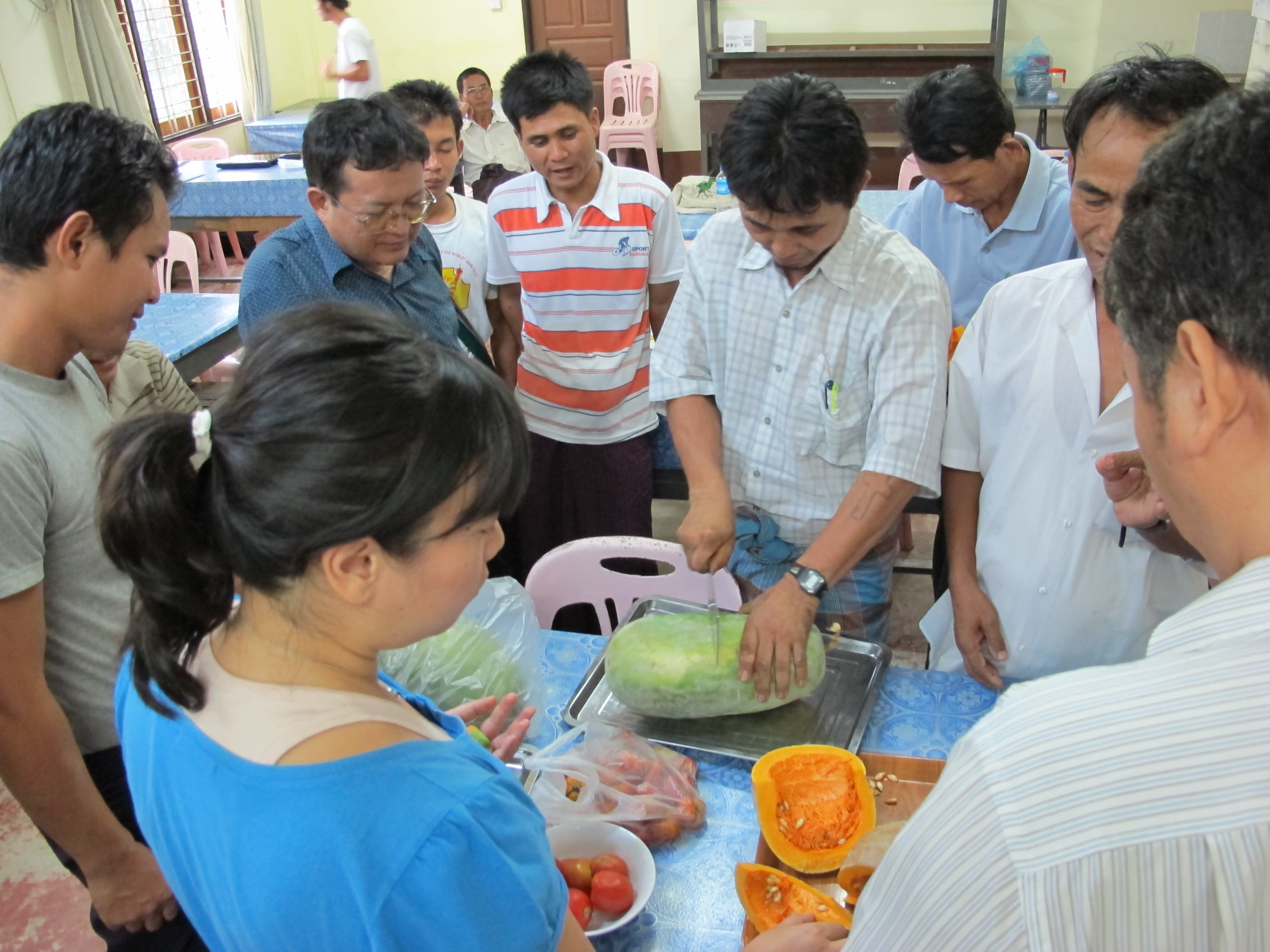
Our role is to help farmers recognize how their extensive, local knowledge works within a sustainable farming framework. Seed saving is a basic topic but we talked about it as a tool towards more sustainable practices and household income generation.


Drying seeds on a screen after cleaning
Celebrating 200 years in 2013, allergist Myanmar Baptist Convention (MBC) has over 2 million members from 18 different language groups throughout the country. Â The Christian Social Service and Development Department (CSSDD) functions like a development organization for its members, many of whom are farmers struggling to maintain their livelihoods amidst high chemical and hybrid seed costs. Â As Burma continues to open up to the global market and respond to pressure from China, MBC’s farmers need innovative methods to supplement their income.
In their efforts to continue developing their staff and members’ understanding of sustainable farming practices, MBC graciously invited ECHO Asia to teach seed saving techniques at their headquarters in Yangon this week. Â Today, we (Ruth Tshin and Kimberly Duncan) started off a 3 day training session listening to the challenges experienced in their communities. Â 16 men and 2 women from 5 areas of Myanmar, representing Pwo Karen, Sgaw Karen, Asho Chin, Southern Shan and Mon conventions, were in attendance. Â We shared our successes producing open-pollinated seeds using natural methods, as well as lessons learned from our failures from the past 3 years. Â Between bouts of power outages, we had lively conversation about local vegetables and seed prices, and ended the first day by distributing seeds from our seedbank.
Burmese farmers are increasingly turning to chemical inputs and hybrid seed for higher-yielding food production in order to meet market demands

MBC staff person from Karen State shares his experiences to the group
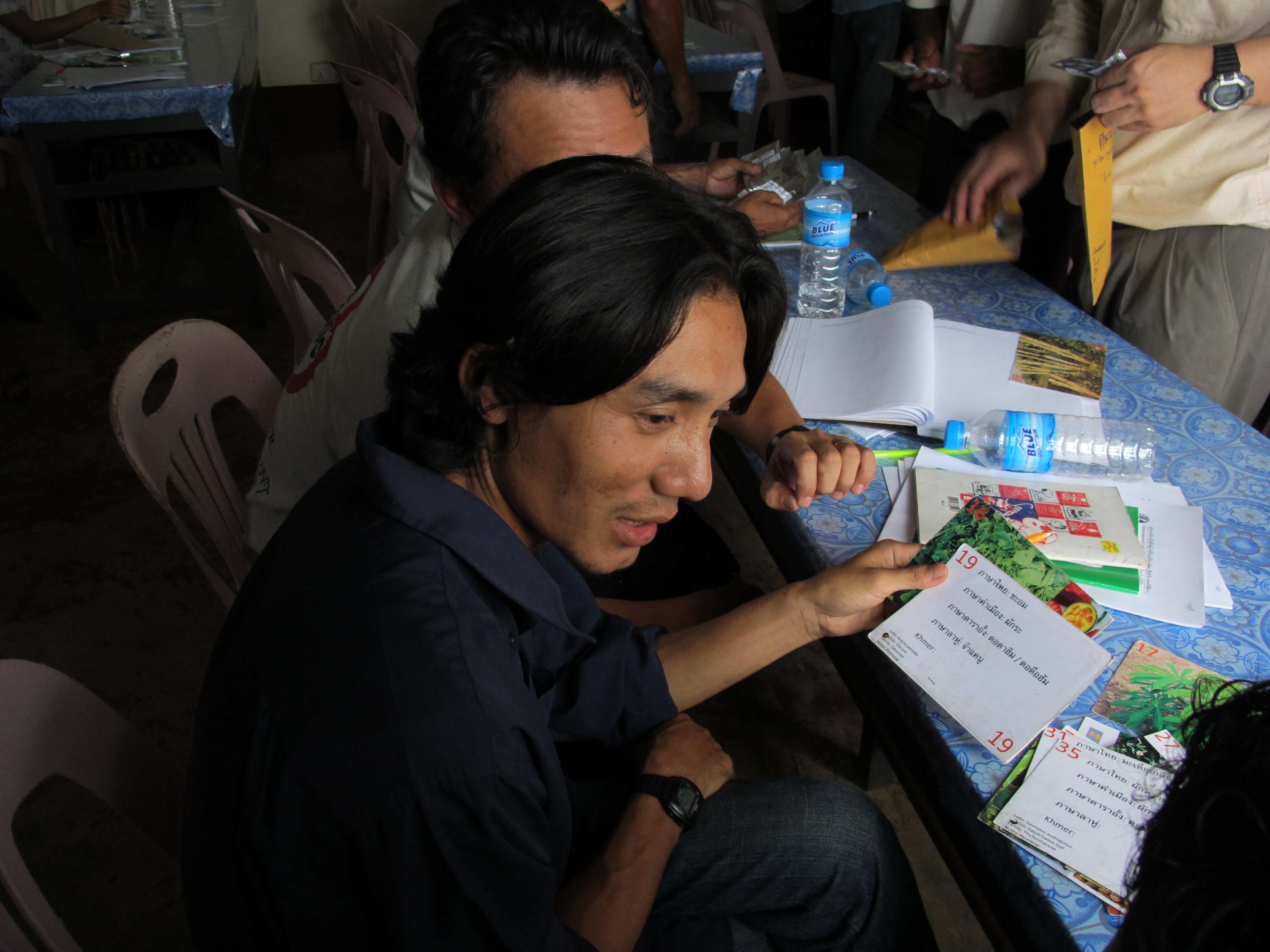
Talking plants and seeds, using flash cards of local plants
]]>
It’s always a privilege to work with local NGO staff who are the un-recognized and tireless agents of change around the world.
Check out more posts about the Cambodia workshop on ECHO Asia’s blog.

Rick (ECHO Asia's director) talking about jack beans as a green manure with a workshop delegate

Many local NGO staff lack adequate access to technical agriculture documents, so we publish a variety of topics in Khmer, Burmese and Thai.
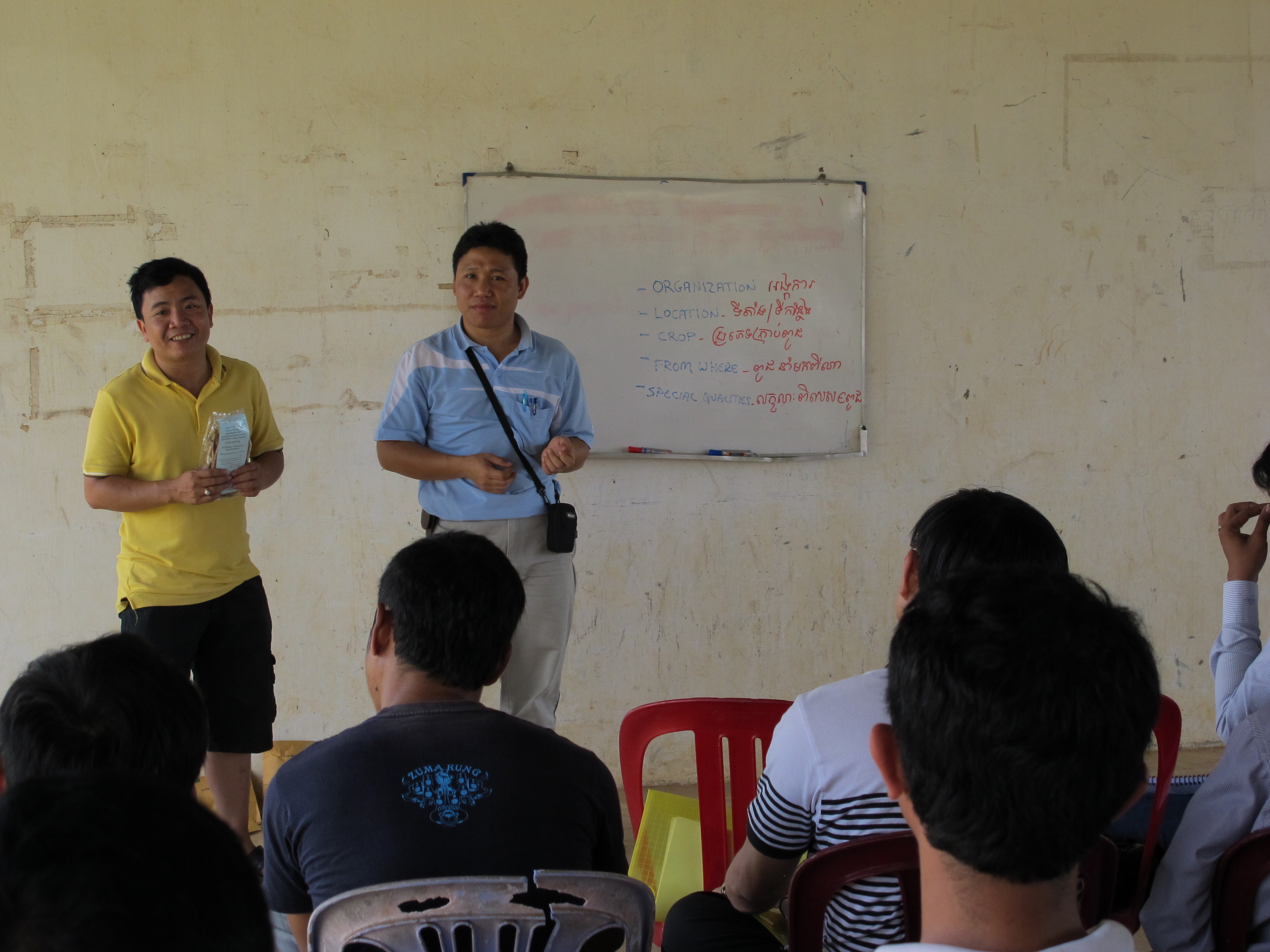
Thida (left - our Khmer partner) translates as Boonsong (right) talks about the cowpea seeds he brought to swap. Â Boonsong, based in Chiang Mai, is an expert on natural farming methods for pigs

The seed exchange - we brought in a variety of vegetables and nitrogen-fixing green manures
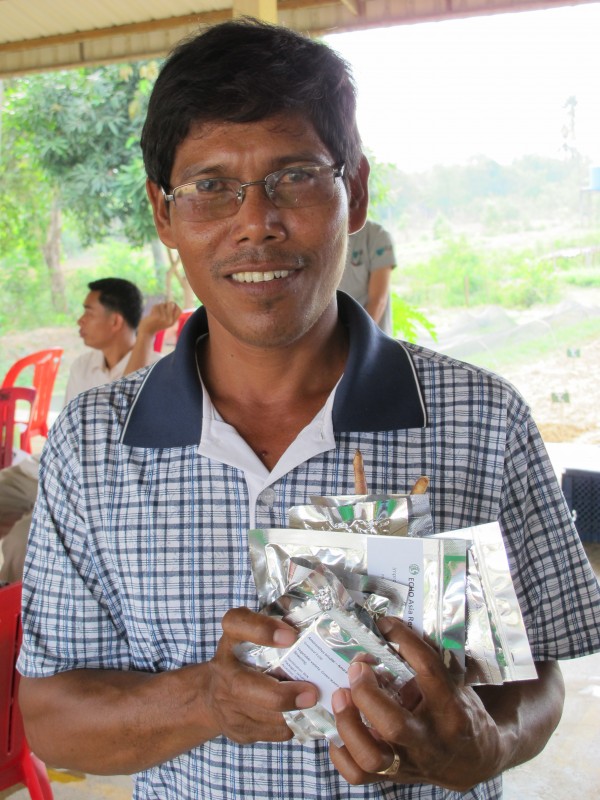
Cencha, general manager of Jumpah Center, with his seeds
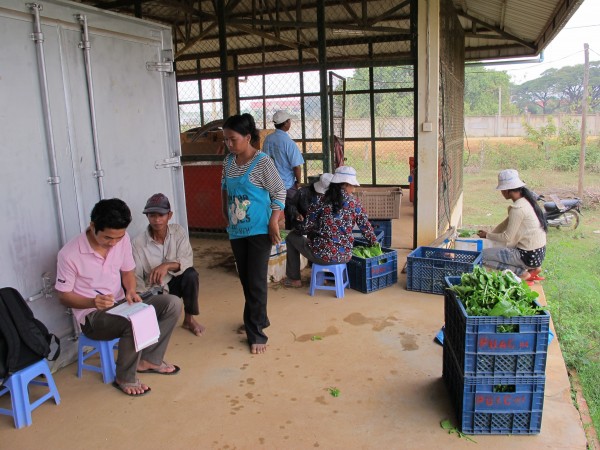
Samrit (in pink shirt) tallying organic produce brought in by local farmers to PUAC for distribution to hotels and restaurants in Phnom Penh
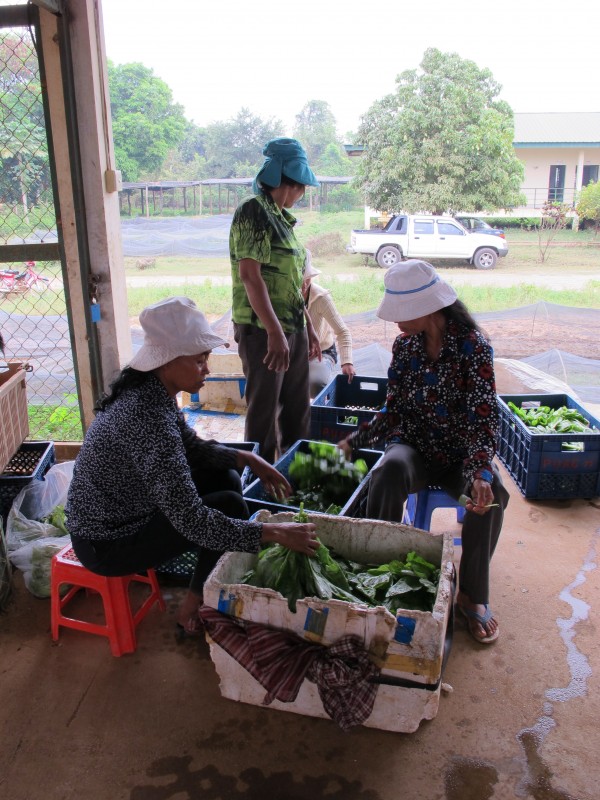
Women farmers sort through the fresh produce they bring in three times a week
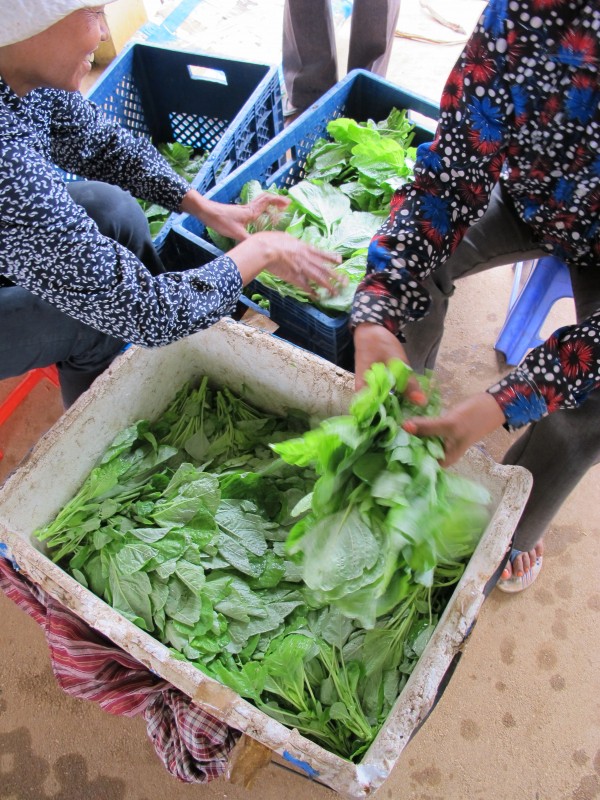
Beautiful greens are sold at hotels and to the few organic outlets in Phnom Penh - allowing farmers to earn above average wages using far less chemicals than conventional methods